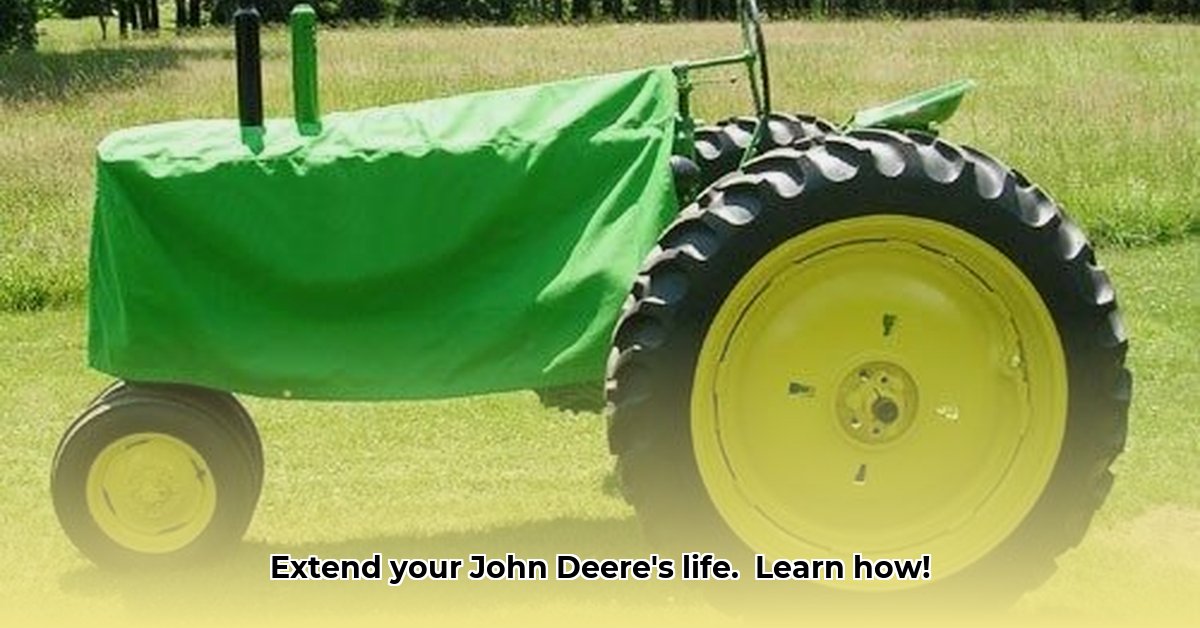
John Deere Tractor Covers: A Comprehensive Guide to Protecting Your Investment
Protecting your John Deere tractor isn't merely about preserving its resale value; it's a cornerstone of sustainable and efficient farming. A well-maintained tractor translates to reduced downtime, extended lifespan, and minimized environmental impact through decreased equipment replacement. This comprehensive guide will equip you with the knowledge and actionable steps to select, install, maintain, and ultimately benefit from a John Deere tractor cover. For more detailed information on John Deere tractor models, check out this helpful resource.
Choosing the Right John Deere Tractor Cover
Selecting the appropriate cover hinges on several key factors. Failure to consider these elements could compromise the protection afforded to your valuable equipment.
Climate Considerations: Harsh winters demand heavy-duty covers capable of withstanding snow, ice, and extreme cold. Milder climates may only need lighter covers primarily for sun protection. Don't forget to consider the prevalence of dust and debris in your environment; a breathable cover may be beneficial if dust accumulation is a concern.
Storage Location: Indoor storage generally necessitates less robust protection than outdoor storage, which requires covers capable of withstanding the elements.
Tractor Model: Accuracy is paramount here. A precisely measured cover offers optimal protection, while an ill-fitting one compromises its effectiveness and could even damage your tractor.
Material Matters: John Deere offers a range of materials, each with specific properties and benefits. Heavy-duty canvas provides excellent weather protection and longevity, though at a higher price point. Lighter-weight synthetics are more affordable and breathable but may offer less protection against harsh weather. Consider the climate and storage conditions when selecting your material.
Comparative Review:
| Cover Type | Ideal Conditions | Advantages | Potential Drawbacks |
|---|---|---|---|
| Heavy-Duty Winter | Extreme cold, heavy snowfall, ice accumulation | Superior protection against harsh weather elements; durable and long-lasting. | Higher cost; bulkier and less convenient to handle. |
| Lightweight Summer | Mild weather, sunny conditions, moderate dust | Breathable fabric; easy to use; more affordable. | Offers less protection against heavy rain or extreme cold. |
| All-Season | Moderate climates with varied weather conditions | Versatile; provides a good balance of protection and cost-effectiveness. | May not offer optimal performance in very extreme weather conditions. |
Did you know that a properly fitted cover can extend the life of your tractor by up to 20%? This translates to significant cost savings over the long term.
Installing Your John Deere Tractor Cover: A Step-by-Step Guide
Proper installation is crucial for maximizing the effectiveness of your tractor cover. A poorly installed cover provides minimal protection and could potentially even damage your tractor.
Thorough Cleaning: Begin by meticulously cleaning your tractor. Remove all mud, dirt, leaves, and debris to prevent scratches and ensure a smooth fit.
Careful Unfolding: Gently unfold the cover, avoiding wrinkles or creases that might cause uneven coverage or tears.
Precise Alignment: Carefully drape the cover over your tractor, ensuring correct placement. Take your time to ensure a snug fit.
Secure Fastening: Use the provided straps or fasteners to firmly secure the cover. Refer to the manufacturer's instructions for proper fastening techniques. A securely fastened cover prevents it from being blown away in windy conditions.
Final Inspection: Walk around your tractor, carefully inspecting the cover for gaps or loose areas. Make necessary adjustments to ensure complete coverage.
Maintaining Your Tractor Cover for Optimal Longevity
Regular maintenance significantly extends the lifespan of your tractor cover.
Regular Cleaning: Clean your cover routinely with a mild detergent and water solution; avoid harsh chemicals. Allow it to air dry completely in a shaded area.
Proper Storage: Store the cover in a dry, cool place when not in use to prevent mildew or mold. Proper storage is essential in mitigating premature deterioration.
Addressing Minor Issues
Even with meticulous care, minor issues might occur. Address small problems promptly to prevent escalation.
Minor Tears: Small tears are often easily repaired with a suitable patch kit.
Significant Damage: For more substantial damage, consult your John Deere dealer or refer to the manufacturer's instructions. Severe damage might necessitate cover replacement.
Conclusion: Sustainable Farming Starts with Protecting Your Investment
Investing in a quality John Deere tractor cover is a strategic choice that contributes to the longevity of your equipment, minimizes replacement costs, and promotes environmentally conscious farming practices. A well-maintained tractor, protected from the elements, contributes to increased efficiency and minimizes your environmental footprint. By following the steps outlined in this guide, you can maximize the lifespan of your John Deere tractor and support your commitment to sustainable agriculture.